
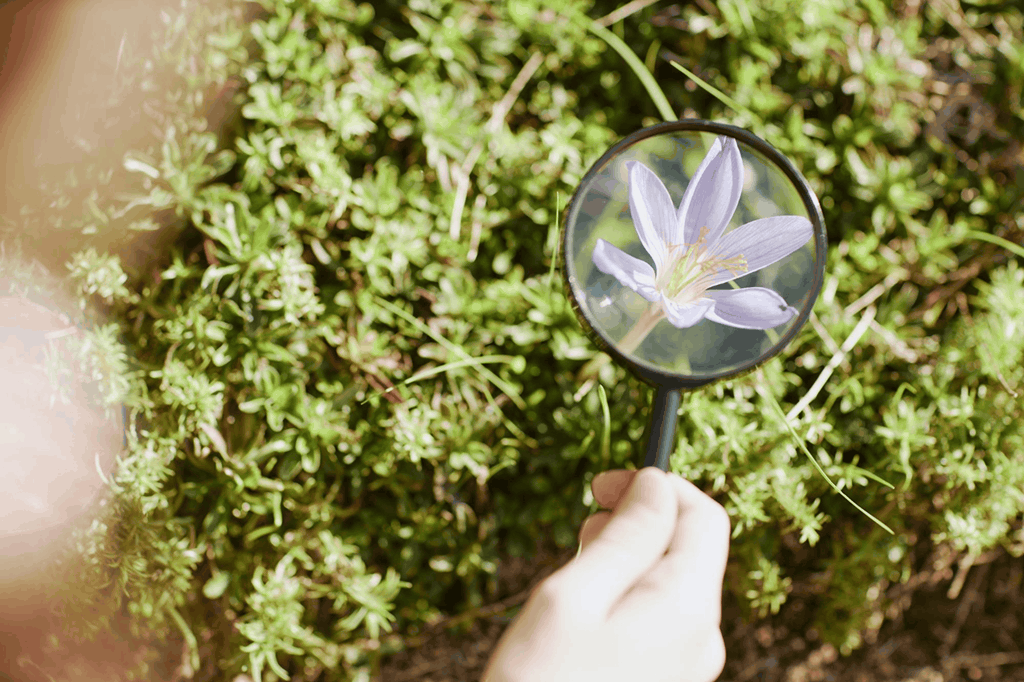
Clearing native vegetation requires careful planning, particularly when a project could affect protected plants, wildlife habitats or sensitive ecological areas. Before site works begin, project teams need to understand the approval requirements, identify environmental constraints and determine whether additional surveys are necessary. Impact Environmental helps project teams assess ecological considerations through environmental assessment services. Before moving ahead with clearing, it is important to consider:
- Approval requirements: Which permissions or environmental conditions apply to the proposed site works?
- Flora surveys: What plant species and vegetation communities may be affected?
- Environmental assessments: Could the proposed clearing affect native wildlife, habitat or other ecological values?
This blog explains when a native vegetation clearing approval may be required, how flora surveys and flora and fauna assessments support planning, and what project teams should check before clearing begins.
A native vegetation clearing approval may be required before vegetation removal, depending on the project location, land tenure, vegetation type and applicable environmental regulations. Project teams should assess site conditions, identify protected plants and wildlife habitats, and determine whether ecological surveys or additional permissions are needed. Impact Environmental supports environmental planning by helping identify ecological constraints and assess potential impacts before site clearing begins.
1. When Should Project Teams Check Clearing Approval Requirements?
The best time to look at approval requirements is early in planning, before the final site layout or clearing schedule is locked in. What applies can change with where the project is, the type of land involved, the vegetation present and the purpose of the work.
In Queensland, state vegetation management laws may regulate native vegetation clearing. Other environmental laws, local planning provisions or project-specific conditions may apply too. Where matters of national environmental significance could be affected, Commonwealth requirements can also be relevant.
Project teams should establish:
- The exact area proposed for clearing.
- The land tenure, and the planning controls that go with it.
- Whether the vegetation is regulated or carries specific protections.
- Whether threatened species or ecological communities could be affected.
- Which approvals, permits or assessments the work may need.
Working on private land, or as part of an approved development, doesn’t mean the clearing is automatically allowed. Check the requirements for your specific site with the relevant authority or a suitably qualified environmental professional.
2. How Can a Flora Survey Help Before Clearing?
A flora survey QLD records the plant species, vegetation communities and ecological features that could shape site planning. How much it covers depends on the project location, the type of vegetation and the questions you need answered.
The results show whether the proposed clearing could affect threatened plants, significant vegetation or other environmental values. They also help decide where access roads, infrastructure, temporary work areas and construction zones can go.
Timing matters. Some plants can only be identified reliably at certain growth or flowering stages, and weather, site access and the condition of the vegetation all change what a survey picks up. If the survey is done too early or in poor conditions, species can be missed and you may end up paying for more fieldwork later.
Before fieldwork is arranged, go through the project footprint, any environmental records you already have, the known site constraints and your planned construction dates with the assessment team. That keeps the survey scope matched to your project and avoids a generic checklist.
3. What Does a Flora and Fauna Assessment Examine?
A flora and fauna assessment looks at the ecological values a proposed activity could affect. Depending on the scope, that may include native vegetation, habitat features, potential threatened species, wildlife movement and the likely effects of clearing or construction.
The results matter beyond the approval process. They can change where infrastructure is placed, how much vegetation is removed, when works happen and which environmental controls apply during construction.
A site might contain vegetation that suits a protected plant, or habitat features that deserve a closer look. Findings like these can lead to a revised footprint, targeted surveys or specific mitigation measures.
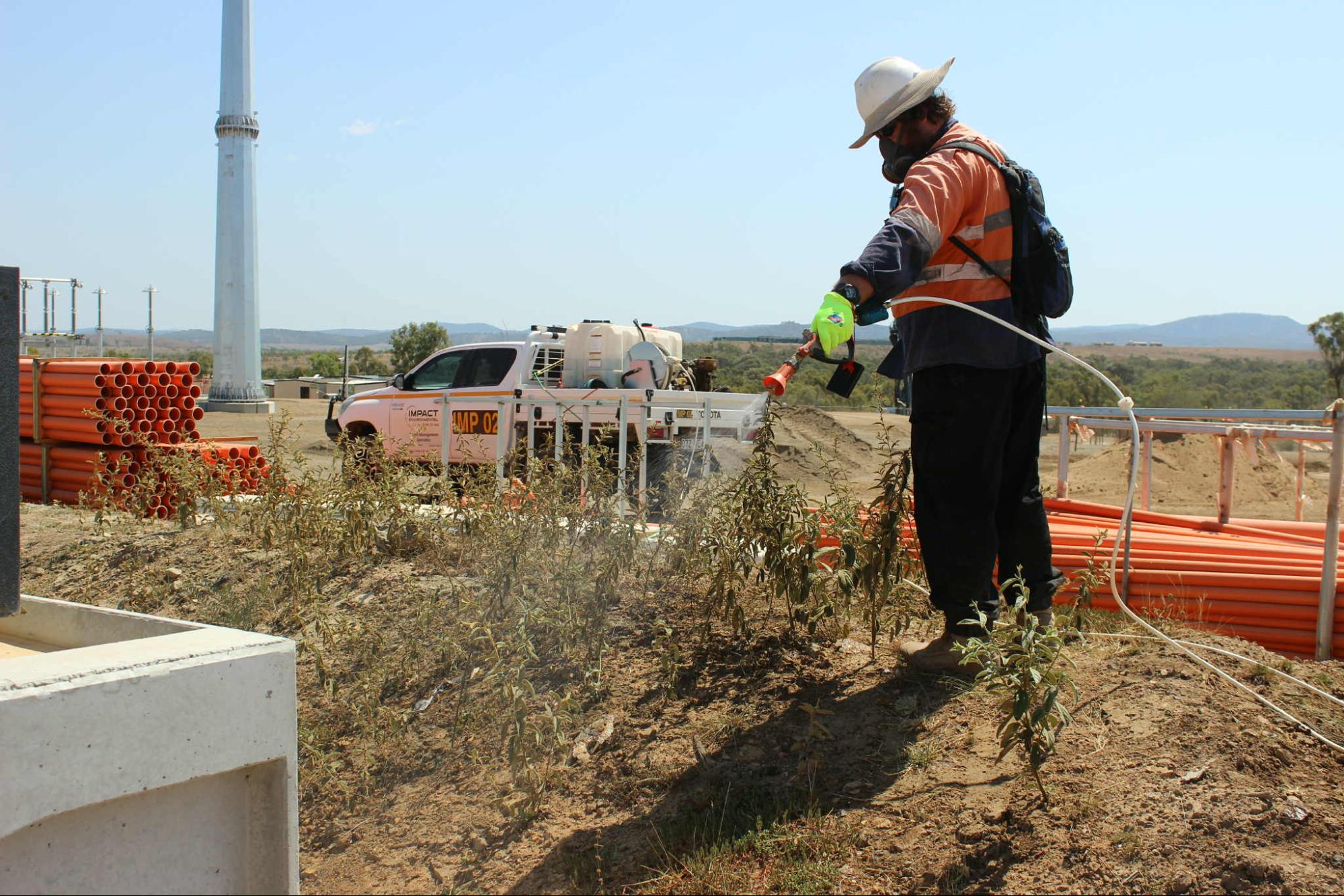
This is where invasive species management becomes relevant to broader environmental planning. Feral animal controls may need to work alongside weed management, vegetation protection, fauna management and rehabilitation measures.
4. How Can Environmental Findings Affect Project Design?
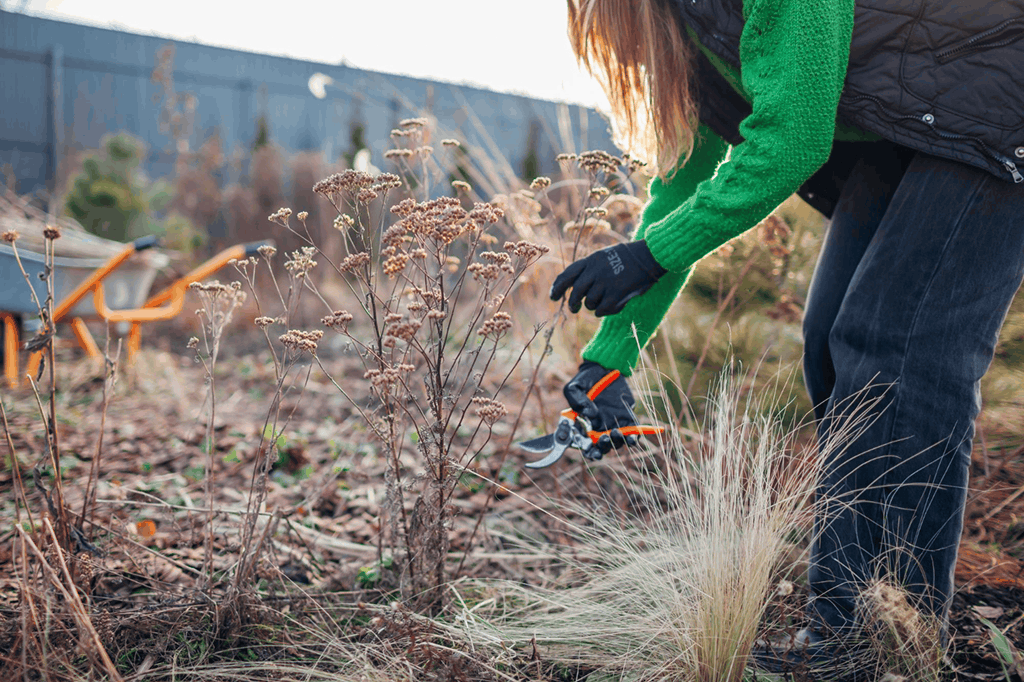
Environmental findings do the most good when they shape design decisions before the layout becomes hard or expensive to change. If a survey turns up a sensitive vegetation area, the team can look at whether the work area, access route or infrastructure footprint can be shifted.
Practical planning options may include:
- Reducing the proposed clearing footprint where feasible.
- Keeping suitable vegetation around sensitive areas.
- Moving access routes to avoid unnecessary disturbance.
- Scheduling work around relevant ecological constraints.
- Marking clear boundaries between approved work areas and vegetation to be retained.
The plan should be reviewed as the project develops. Changes to work areas, new evidence of animal activity or revised approval conditions may require updates to the original approach.
5. What Should Be Ready Before Site Clearing Starts?
Project teams may need environmental expertise when they lack sufficient site information, need to assess species-related risks or must coordinate feral animal controls with other environmental obligations.
Providers of feral animal management services may assist with site assessments, management recommendations, implementation planning and monitoring, depending on their service scope and relevant qualifications.
Use this pre-clearing checklist:
- Approvals: Confirm which authorisations apply to this site and which conditions you have to meet before work begins.
- Survey information: Check that the flora and fauna findings actually cover the proposed work, and note any gaps that need more investigation.
- Site boundaries: Show the clearing limits on current plans, and make sure the contractors have seen them and know where they stop.
- Environmental controls: Mark the vegetation being retained and the sensitive areas, and list any protection measures they need.
- Work scheduling: Fit the program around survey timing, approval conditions and ecological constraints so none of them catches the crew out.
- Records: Store the reports, approvals, plans and site instructions in one place the whole project team can open.
Assign someone to check these items and record any changes. If the footprint changes after assessment or approval, review whether more advice or authorisation is needed before work goes ahead.
6. Who Can Help With Environmental Planning Before Clearing?
Environmental consultants can help project teams identify ecological constraints, set a suitable assessment scope and interpret survey findings against the proposed site works. Depending on what is agreed, their role may include field assessments, reporting and recommendations for avoiding or managing environmental impacts.
Impact Environmental provides environmental services that include flora and fauna assessment work. Before engaging a provider, explain the location, the proposed clearing footprint, the project timeline and any approval documents you already hold. Ask what the assessment will cover, what deliverables you will receive and whether additional surveys might be needed.
It also helps to be clear about the limits of the engagement. A survey or report doesn’t give you permission to clear vegetation. The project team is still responsible for confirming which approvals and conditions apply to the proposed activity.
When the design, environmental and construction teams coordinate early, assessment findings are far more likely to become practical site instructions before contractors mobilise.
Conclusion
A native vegetation clearing approval should be considered early whenever a project may affect regulated vegetation or other protected environmental values. Reviewing site constraints, arranging suitable surveys and checking approval requirements can help project teams make better decisions before construction begins. Impact Environmental can support this process through environmental assessment services, helping teams understand ecological considerations and prepare for the next stage of project planning.
FAQs
Does Every Native Vegetation Clearing Project Need Approval in Queensland?
No. It depends on where the site is, the land tenure, the vegetation, why you are clearing and which legislation or planning conditions apply. Some activities are allowed under specific rules, and others need authorisation first. Check the position for your own site, because what applied to a previous project may not apply to this one.
When Should a Flora Survey Be Completed?
Early enough for the results to shape the project design and the approval process. Timing and scope depend on the species or vegetation being assessed, the season and the requirements that apply. If the first round of fieldwork doesn’t answer the questions, some sites need a second survey, so build that possibility into your schedule.
Does a Flora and Fauna Assessment Replace a Clearing Approval?
No. An assessment tells you about ecological values and potential impacts. It can support an approval application or show what further work is needed, but it doesn’t authorise anyone to remove vegetation. Before clearing starts, the project team still has to confirm which approvals and conditions apply.
What Happens if Vegetation Is Found After Planning Is Complete?
Stop work in that area and work out what the discovery means before anything is disturbed. You may need specialist advice, more survey work, a change to the work footprint or a review of existing approvals. What you do next depends on the species or vegetation involved and the legal requirements for the site.



Delivering Sustainable Environmental Solutions for Lasting Impact