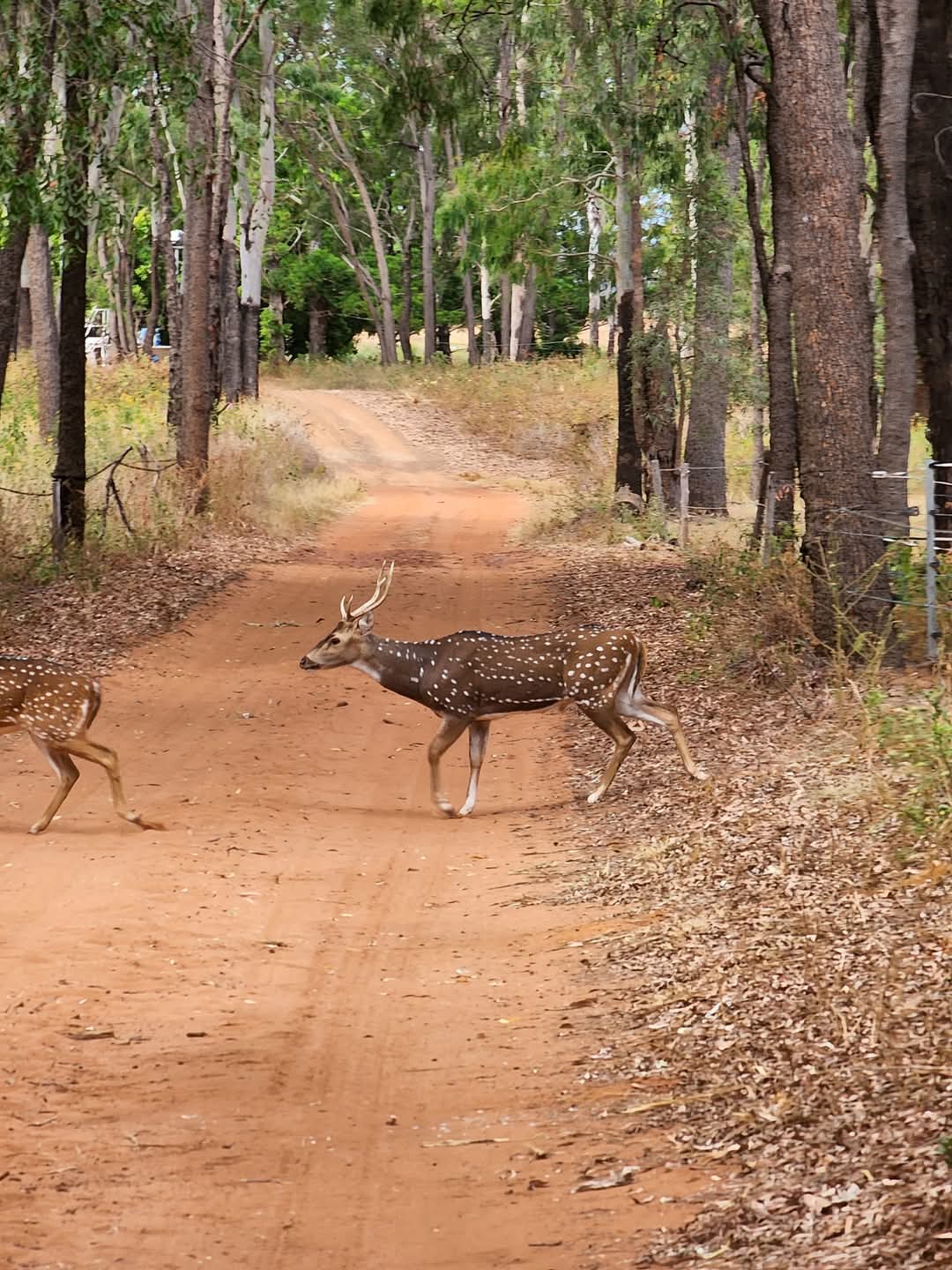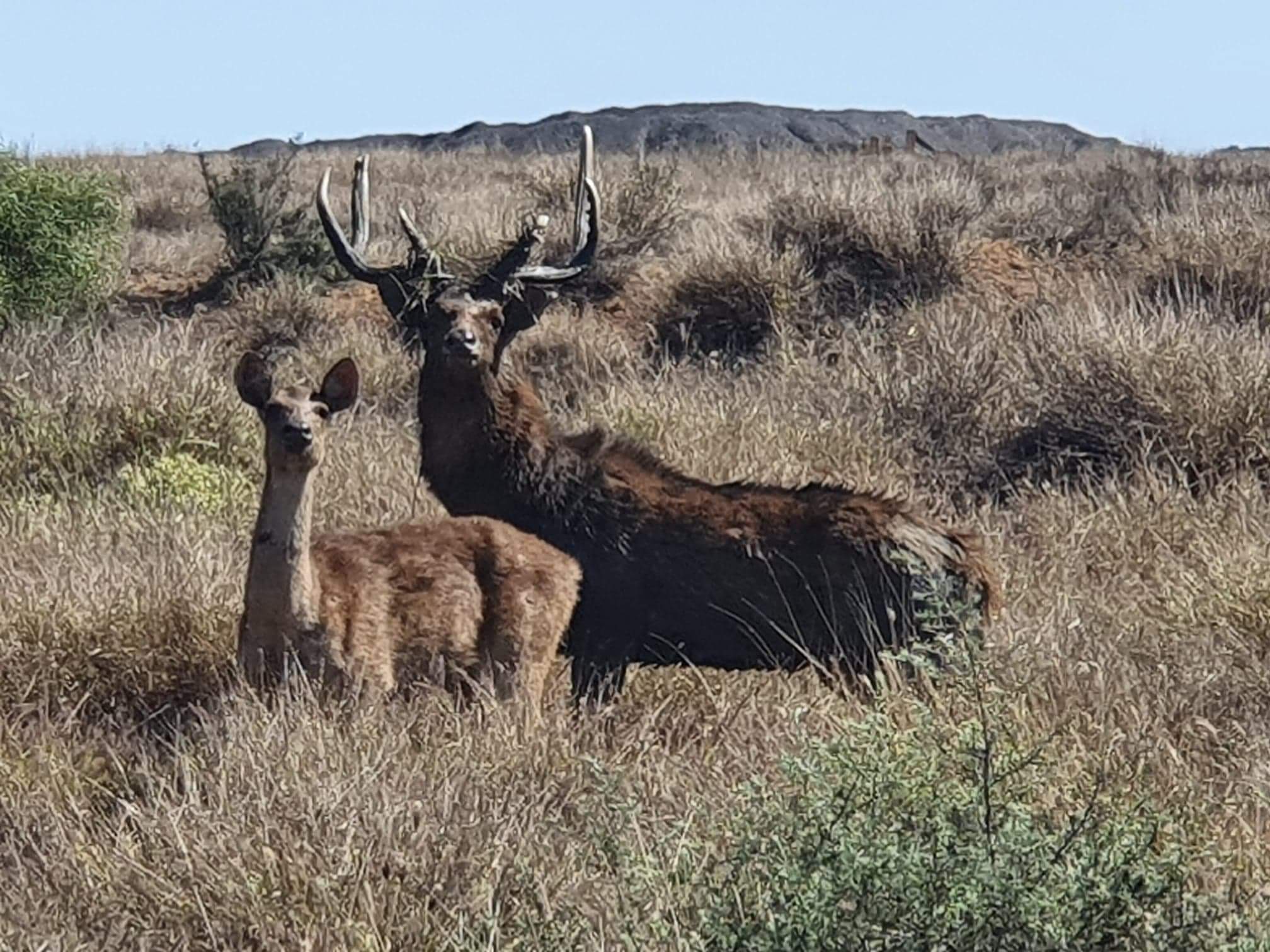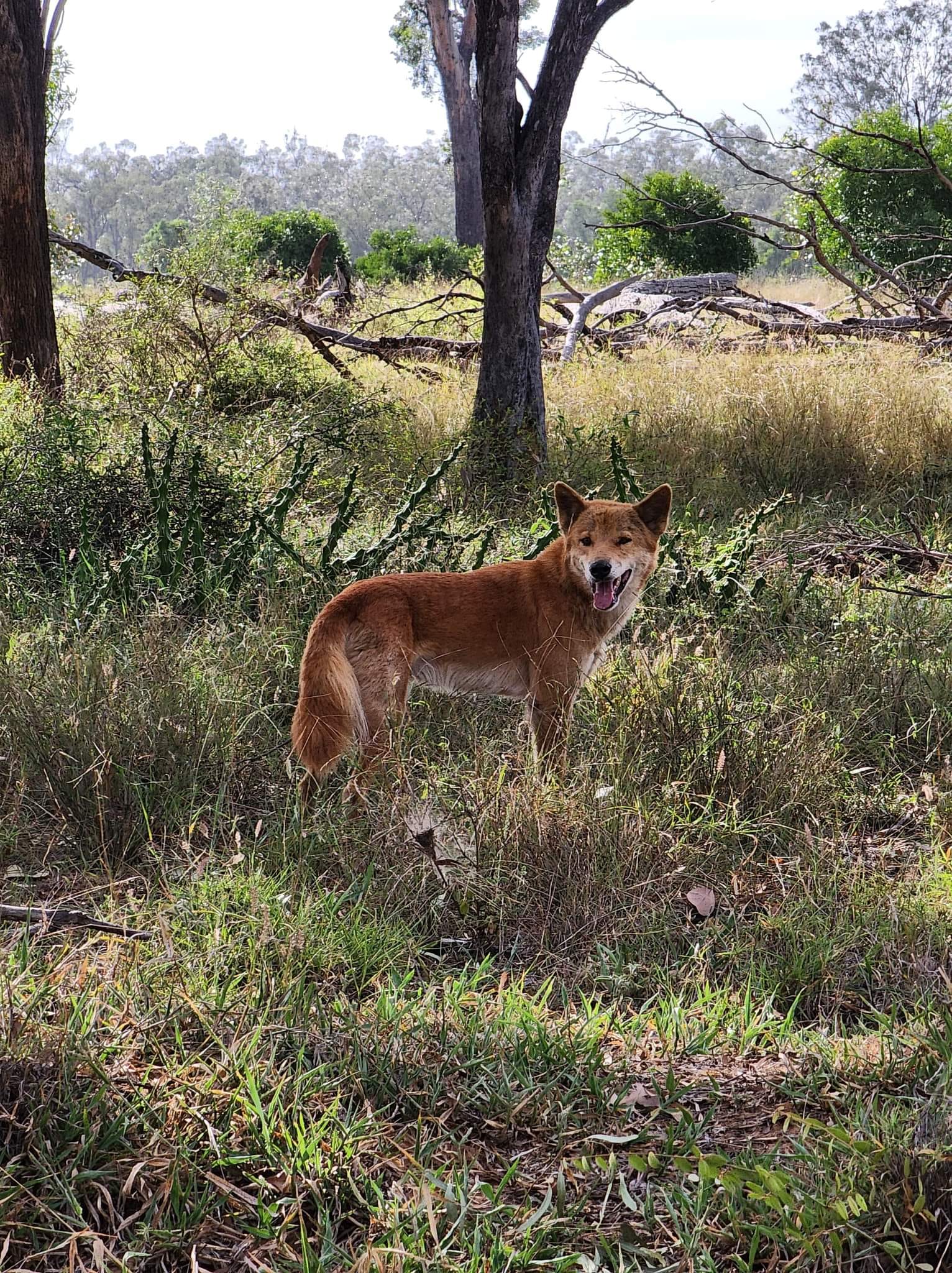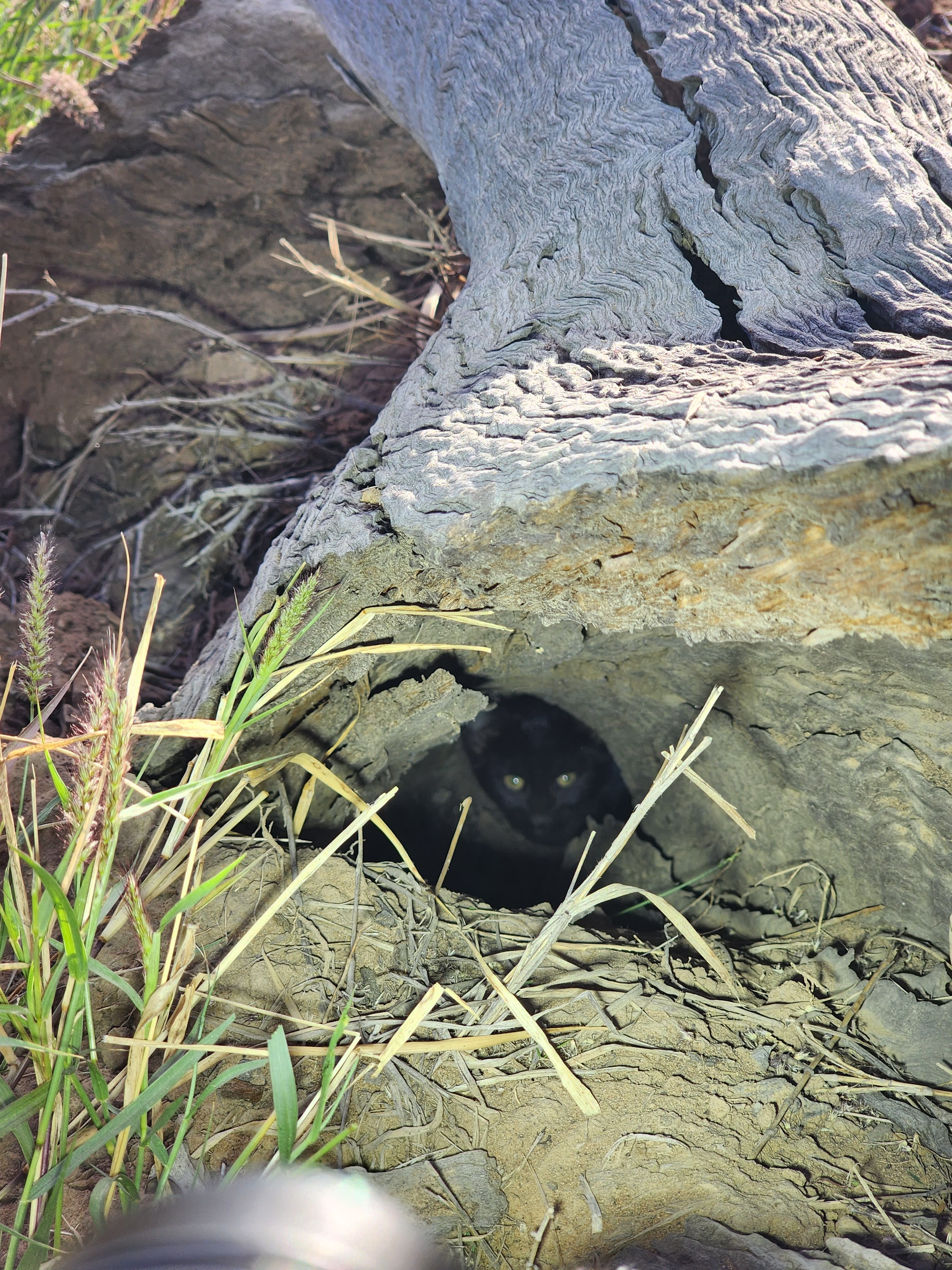
Feral Animal Control in Queensland
Our Approach
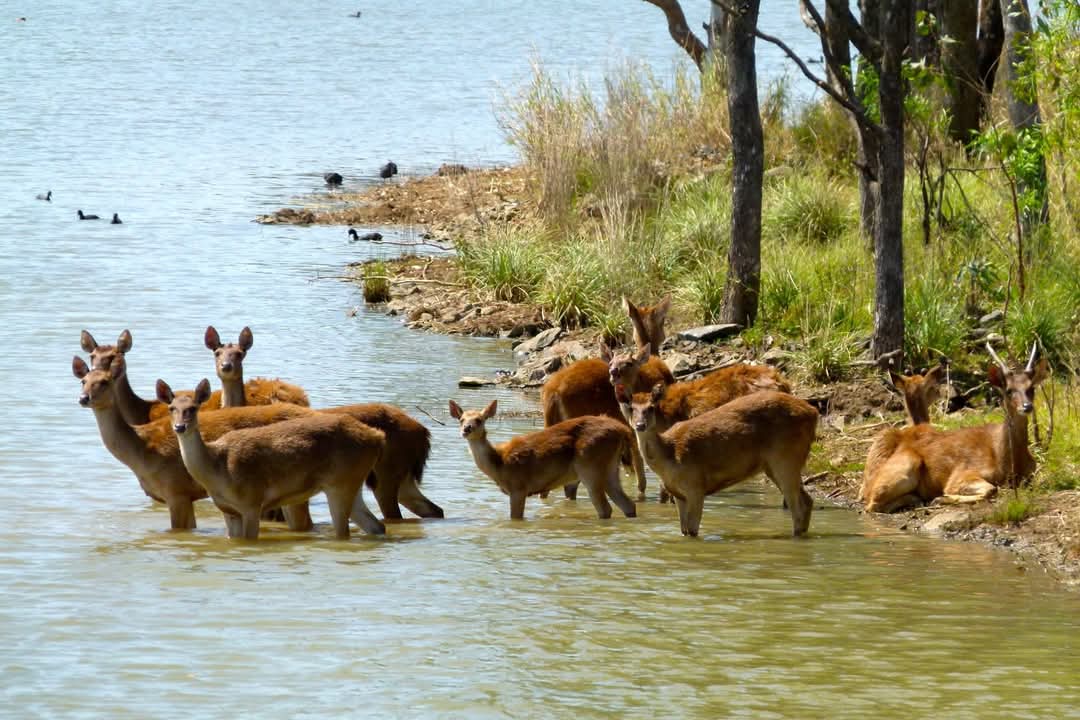
We combine years of field experience with best-practice control methods to reduce feral animal populations safely and effectively. Each program is tailored to site conditions and environmental requirements to achieve real, lasting outcomes.
What We Do
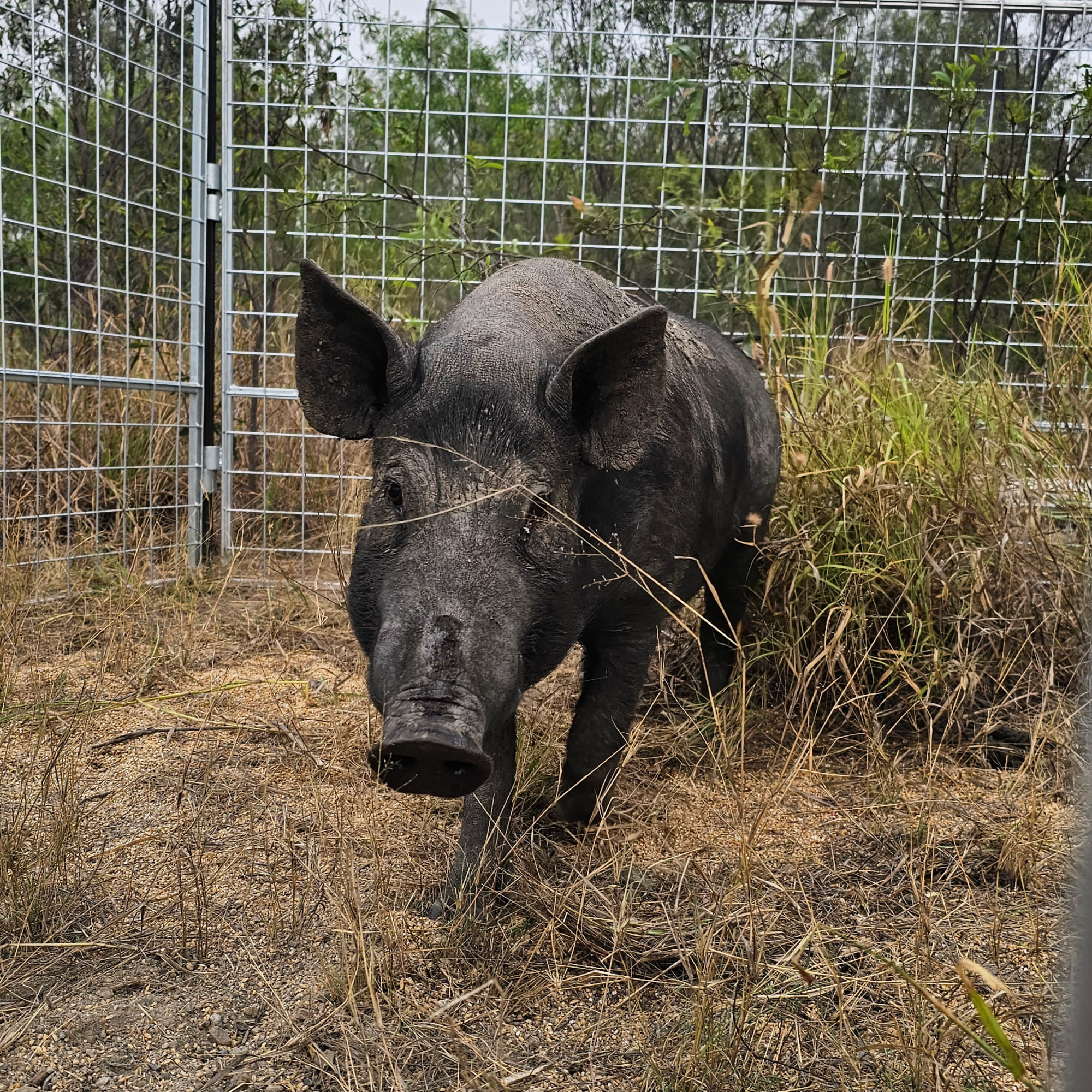
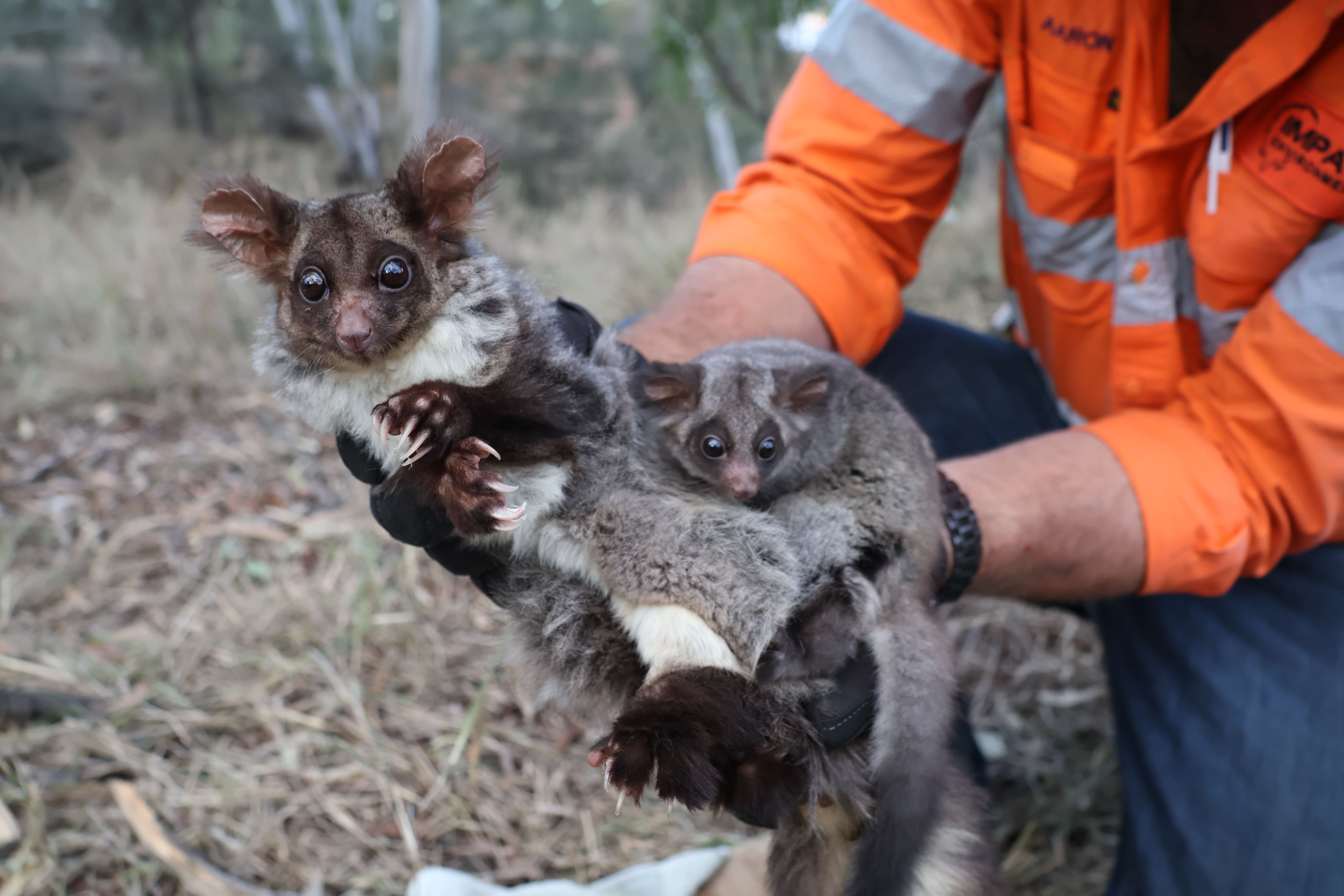
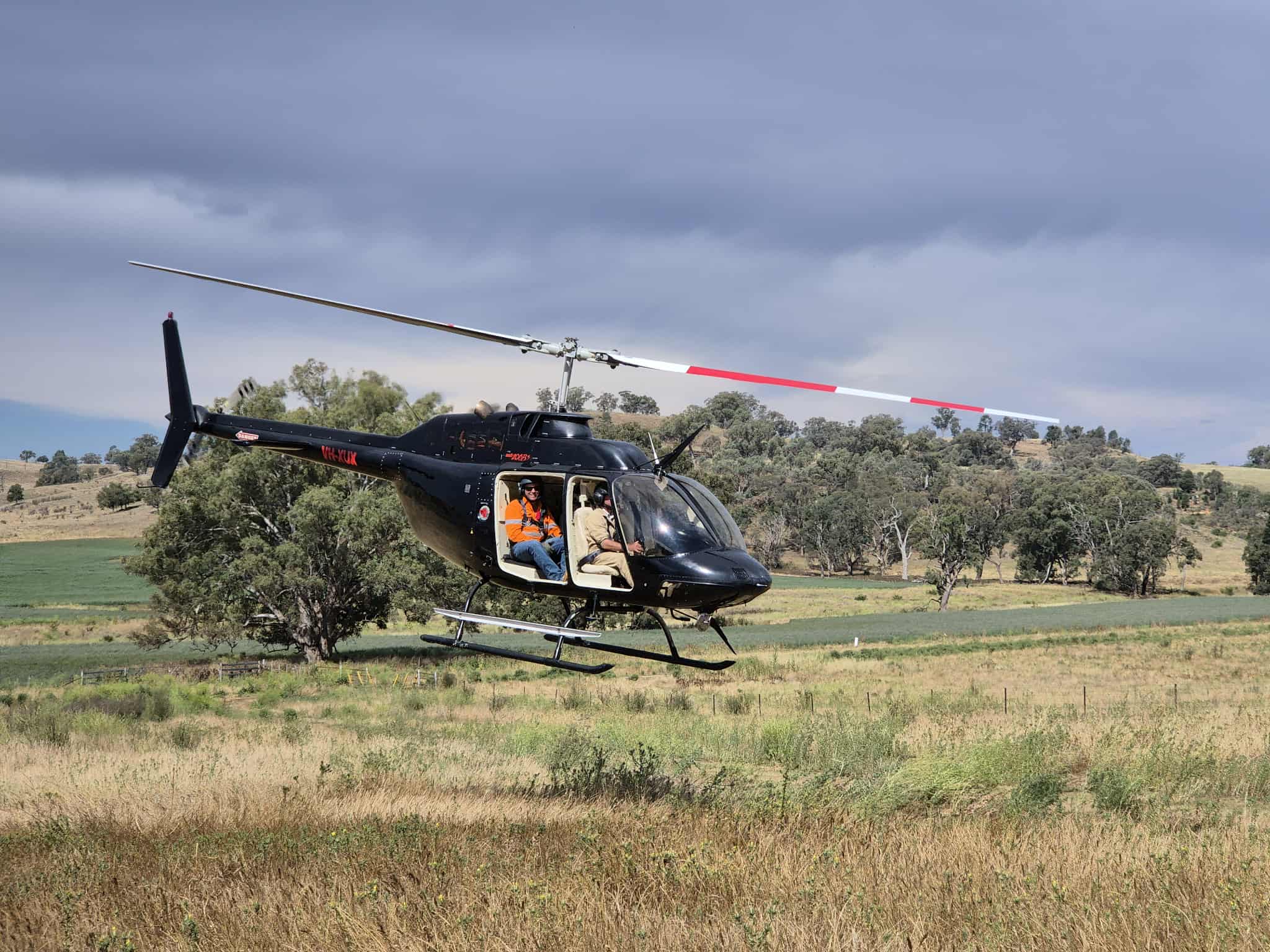
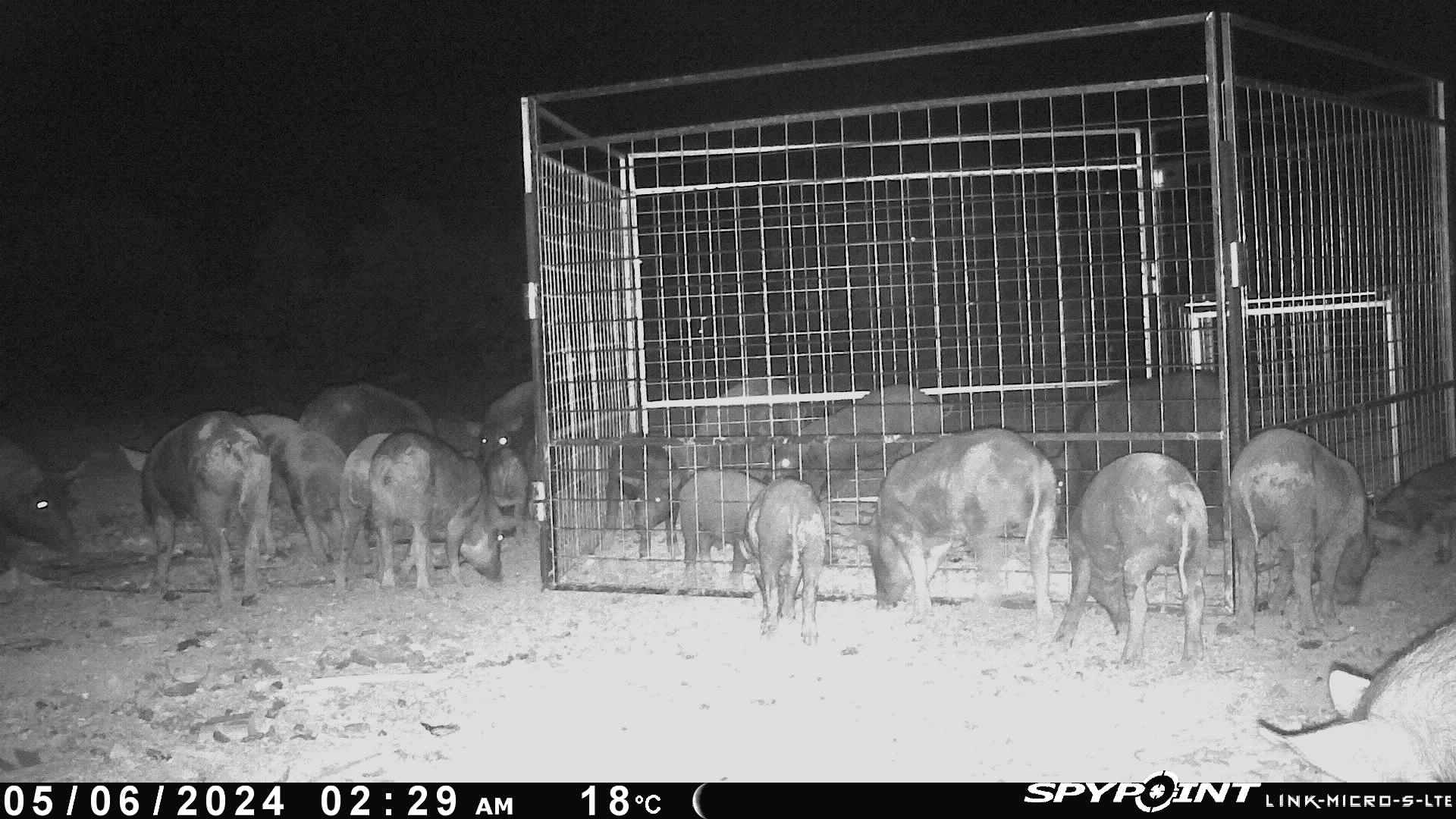
From aerial and ground shooting to trapping and relocation, we deliver practical, ethical control programs that minimise harm and protect native ecosystems. Our work supports property owners, councils, and developers seeking sustainable environmental outcomes.
Technology and Safety
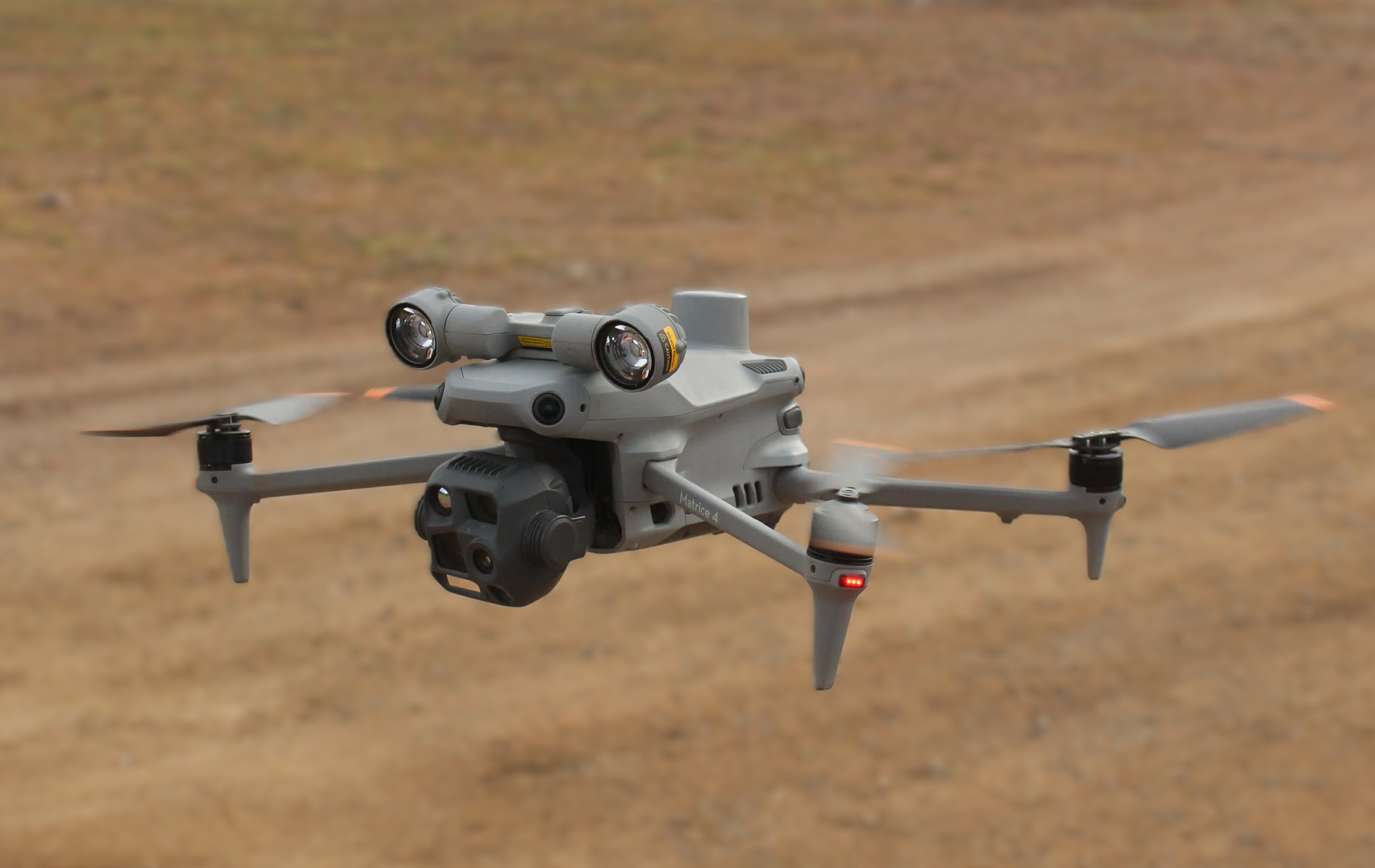
We use thermal imaging drones and field mapping to detect and monitor feral species accurately. All work is completed under strict safety procedures, with qualified marksmen and wildlife professionals ensuring the highest standards of welfare and compliance.
Outcomes
Our feral animal management programs protect biodiversity, prevent damage to native habitats, and promote long-term land rehabilitation. Clients receive detailed reports, photographic evidence, and recommendations for ongoing management.
Key Services
- Certified marksmen and licensed operators
- Aerial and ground shooting programs
- Humane trapping and relocation
- Thermal drone imaging and surveys
- Preventative workplace inspections
- Consultation to deter unwanted wildlife
- Feral Species Management Plans (FSMPs)
- Chemical immobilisation (dart gun)