
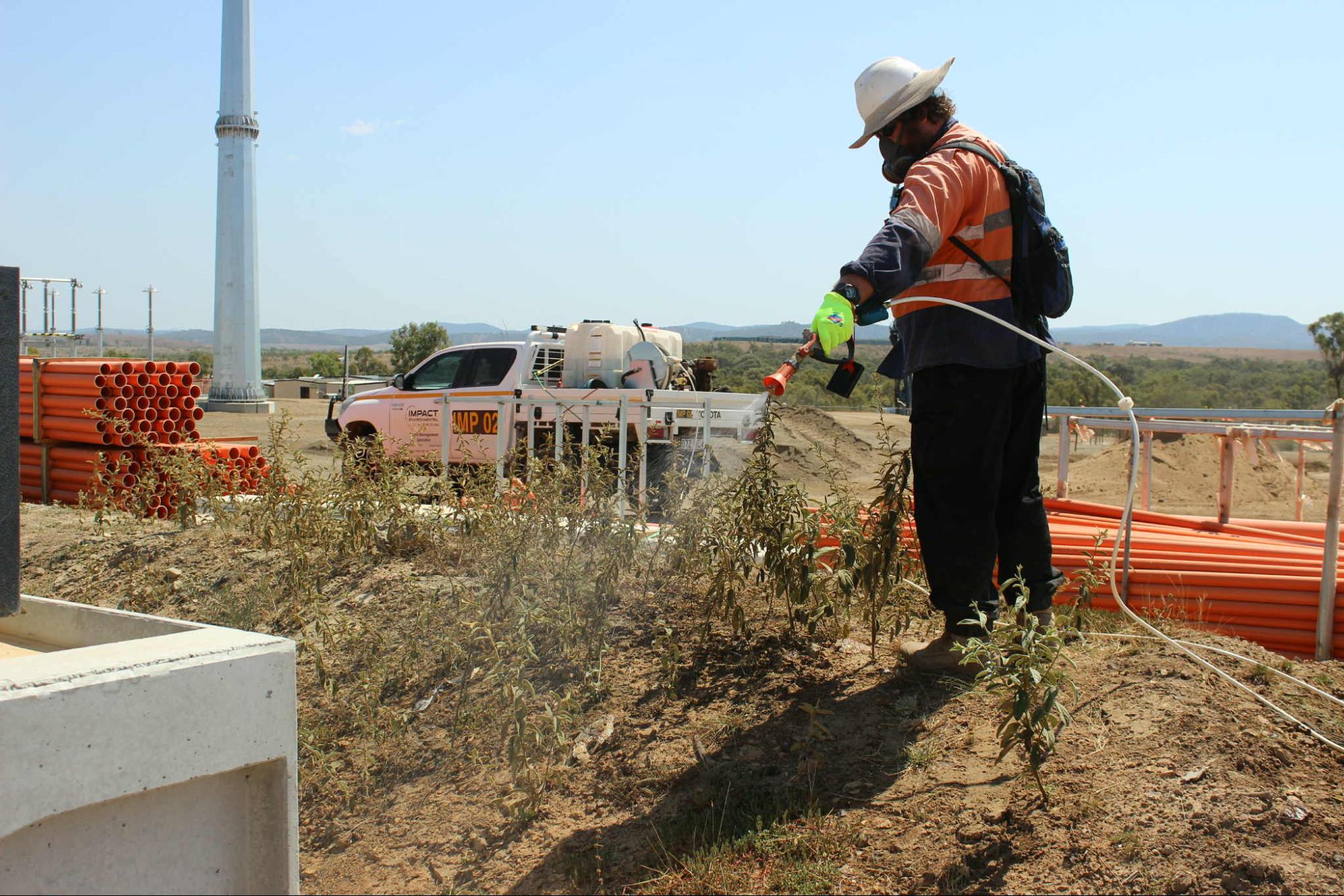
Land clearing can leave more than exposed soil. It can change drainage, remove habitat, encourage weeds and make natural regeneration harder. Restoring the area requires more than planting native species and waiting for them to grow.
Common challenges include:
- Compacted or unstable soil after machinery use.
- Weed competition during early plant establishment.
- Loss of suitable habitat structure.
- Poor plant selection for the site's original vegetation community.
With decades of experience, Impact Environmental approaches restoration through practical flora, fauna and vegetation management. Our services include flora management, weed control and post clearance habitat support. This guide explains how to assess the site, prepare the ground, select appropriate native vegetation and monitor recovery.
Restoring native vegetation after land clearing requires assessment, site preparation, weed control, suitable native planting and ongoing monitoring. A vegetation management contractor can coordinate these steps with related flora and fauna assessment work. Impact Environmental also provides flora management and habitat restoration support as part of its environmental services.
What Should You Assess Before Restoring Cleared Land?
Start with the condition of the site rather than choosing plants immediately. A post clearing assessment should establish what remains, what has changed and which factors could prevent native vegetation from recovering.
Check the Site Before Any Planting
Record:
- Existing native plants and natural regeneration.
- Soil condition and areas affected by machinery.
- Erosion, exposed soil and drainage changes.
- Remaining trees, logs and other habitat features.
- Existing weeds and areas of heavy infestation.
- Nearby vegetation that may provide useful reference conditions.
The surrounding vegetation can provide clues about the species and structure that are appropriate for restoration. A cleared site should not automatically be replanted with whichever native species are easiest to source.
Check Whether Clearing Requirements Apply
Restoration planning should also consider the regulatory requirements attached to the original clearing activity. In Queensland, for example, vegetation clearing can be regulated through different assessment categories, codes and approval pathways. Some environmental clearing activities also carry rehabilitation requirements.
The practical question is therefore:
What condition does the site need to reach, and what documentation must demonstrate that outcome?
That question can influence the restoration method, monitoring period and records required.
How Should You Prepare the Soil and Control Weeds?
Soil prep and weed control come first. Before you plant anything on a large scale, you need to sort out the ground. Compacted soil, erosion and aggressive weeds will stop new plants from settling in properly.
Sort Out the Site Before You Plant
Here is the order that works:
- Stabilise first: Deal with erosion and unstable ground before it gets worse.
- Prepare the soil: Fix up planting areas where the ground has been compacted or disturbed.
- Get weeds under control: Cut down the competition before you plant, then keep on top of it while things establish.
- Plant: Put in suitable native species once the site is actually ready.
Queensland rehabilitation guidance specifically identifies stabilising the area and addressing erosion and instability as an early rehabilitation step. It also notes that the way land is cleared can influence later rehabilitation success.
Why Weed Timing Matters
Weed management should not be treated as a single spraying exercise. Disturbance can create opportunities for weeds to establish, so follow up inspections are important while native plants are becoming established.
A useful restoration plan should identify:
- Priority weed species.
- Areas requiring treatment.
- Timing of follow up control.
- Methods suitable for the site.
- How weed control will avoid unnecessary damage to regenerating native plants.
Which Native Plants Should You Reintroduce?
Plant selection should reflect the site's original vegetation, soil, moisture and landscape position. A restoration project should aim for an appropriate plant community rather than simply achieving a high planting count.
| Site factor | What it influences |
|---|---|
| Soil type | Which native species are likely to establish |
| Drainage | Suitable plants for wet or well-drained areas |
| Existing vegetation | Species and structure used as a local reference |
| Landscape position | Exposure, moisture and growing conditions |
| Habitat requirements | Vegetation structure needed by local fauna |
| Available regeneration | Whether natural recovery can supplement planting |
Consider Natural Regeneration
Planting is not always the only restoration method. If native seedlings are already emerging, protecting and managing that regeneration may be more appropriate than replacing it with new plants.
This is particularly important where the surrounding vegetation can supply seed naturally. The restoration plan should therefore distinguish between:
- Areas that can regenerate naturally.
- Areas requiring assisted regeneration.
- Areas needing active planting.
- Areas where weed control is the immediate priority.
That assessment can prevent unnecessary planting and keep restoration work focused on the parts of the site that need intervention.
How Does Fauna Fit Into Vegetation Restoration?
Native vegetation restoration should consider fauna habitat as well as plant establishment. Trees, hollows, logs, dense vegetation, flowering plants and ground cover can all contribute to habitat value.
Impact Environmental's fauna work includes habitat and breeding place assessments, nest box installation and monitoring, native animal conservation initiatives and post clearance monitoring.
Link Vegetation and Habitat Planning
A restoration plan may need to consider:
- Retention of suitable habitat features.
- Replacement or enhancement of lost habitat features where appropriate.
- Plant species that provide food or shelter.
- Connectivity between retained vegetation and restored areas.
- Monitoring for fauna use as vegetation develops.
This is where fauna management services can complement vegetation restoration. The aim is to consider how the recovering vegetation functions within the wider habitat, rather than treating planting as an isolated landscaping task.
How Should You Monitor Native Vegetation After Planting?
Monitoring should measure whether the restoration is moving towards its intended condition. Planting completion alone does not demonstrate successful recovery.
Track More Than Plant Survival
Useful monitoring indicators can include:
| Indicator | What it tells you |
|---|---|
| Native regeneration | Whether natural recovery is occurring |
| Weed presence | Whether further control is needed |
| Soil stability | Whether erosion is affecting recovery |
| Plant establishment | Whether selected species are adapting |
| Vegetation structure | Whether the site is developing appropriate layers |
| Fauna activity | Whether habitat is beginning to support wildlife |
Monitoring frequency should reflect site conditions, restoration objectives and any approval or management requirements.
Keep Records Consistent
Photopoints, site observations, treatment records and planting information can create a useful comparison between monitoring periods. Consistent records also make it easier to identify whether a problem is isolated or becoming widespread.
Where restoration forms part of a broader development or environmental obligation, an environmental compliance consultant may also help coordinate documentation and project requirements.
What Can Prevent Native Vegetation From Recovering?
Poor results often come from treating restoration as a single planting event. The underlying site conditions usually determine whether vegetation can establish and persist.
Common problems include:
- Planting before weed pressure is addressed.
- Selecting species without considering local conditions.
- Ignoring compacted or unstable soil.
- Removing useful natural regeneration during site preparation.
- Failing to monitor after the initial planting.
- Treating fauna habitat separately from vegetation planning.
Our flora management service focuses on protecting native vegetation and controlling invasive species, while its broader environmental work connects flora and fauna considerations with field assessment and ongoing habitat care.
The restoration process should therefore be treated as a sequence: assess, prepare, control, regenerate or plant, monitor and adjust.
Conclusion
Restoring native vegetation after land clearing requires a site specific process rather than a one off planting exercise. Soil condition, weeds, natural regeneration, species selection, habitat and monitoring all influence the outcome.
An experienced native vegetation management contractor can help coordinate these considerations alongside flora and fauna requirements.
Our experience across environmental management and provides flora, fauna and feral animal management services. If your site requires restoration planning or ongoing vegetation management, contact Impact Environmental to discuss the project requirements.
FAQs
Can cleared land recover naturally without replanting?
Yes some sites can regenerate naturally if there are viable seed sources, suitable soil conditions and nearby native vegetation. However, weed pressure, erosion, soil disturbance or loss of seed sources may limit recovery. Evaluation may help to identify whether natural regeneration is sufficient or if assisted restoration is necessary.
Should topsoil be retained during land clearing?
Where project conditions allow, retaining suitable topsoil can support later rehabilitation because it may contain soil organisms and native seed material. However, its suitability depends on contamination, weed presence, soil condition and how it was stored. Soil handling should therefore form part of the clearing and rehabilitation plan.
How long does native vegetation restoration take?
There is no one timeframe. The early establishment can be fairly rapid under the right conditions, but the development of mature vegetation structure takes much longer. The time frame will depend on the vegetation community, site condition, climate, weed pressure, restoration method and ongoing maintenance.
Can habitat restoration continue after the initial planting?
Yes. Restoration can continue through weed control, protection of natural regeneration, supplementary planting, habitat enhancement and fauna monitoring. Impact Environmental's website states that its environmental work can include post clearance monitoring, nest box installation and checks, regular reporting and habitat restoration support.


Delivering Sustainable Environmental Solutions for Lasting Impact