

Feral animals can affect native vegetation, wildlife habitats, agricultural land and rehabilitation outcomes. For projects involving land clearing, construction, mining or land rehabilitation, these risks may need to be assessed before site activities begin.
A feral animal management plan helps project teams identify relevant risks, establish suitable control measures and clarify responsibilities during the work. The need for a plan depends on the project location, environmental conditions, approval requirements and the presence of invasive animals.
Understanding these factors early can help teams plan site activities more responsibly and coordinate environmental management with construction or land management objectives.
A feral animal management plan explains how a project will assess feral animal risks and how it will prevent and manage them. Approval conditions, contracts, site risks or land management goals sometimes make one a requirement. Feral animal management services can assess the site, recommend actions and handle monitoring and reporting once the plan is running.
1. Which Projects May Need a Feral Animal Management Plan?
A project may need a plan when feral animals threaten environmental values, land use or the completion of site works. Whether one is actually required depends on the project’s approvals, contractual obligations, location and environmental risks.
Projects that may need to consider a plan include:
- Construction and infrastructure: Clearing and site preparation shift animal movement, and disturbed ground gives species like foxes and rabbits easy access to areas they previously avoided.
- Mining and resource projects: Large work areas, long access roads and staged rehabilitation tend to need environmental controls that run for years, not weeks.
- Land clearing and development: Once habitat is cleared, wildlife and pest pressures change, so the risks need to be reassessed against the new conditions.
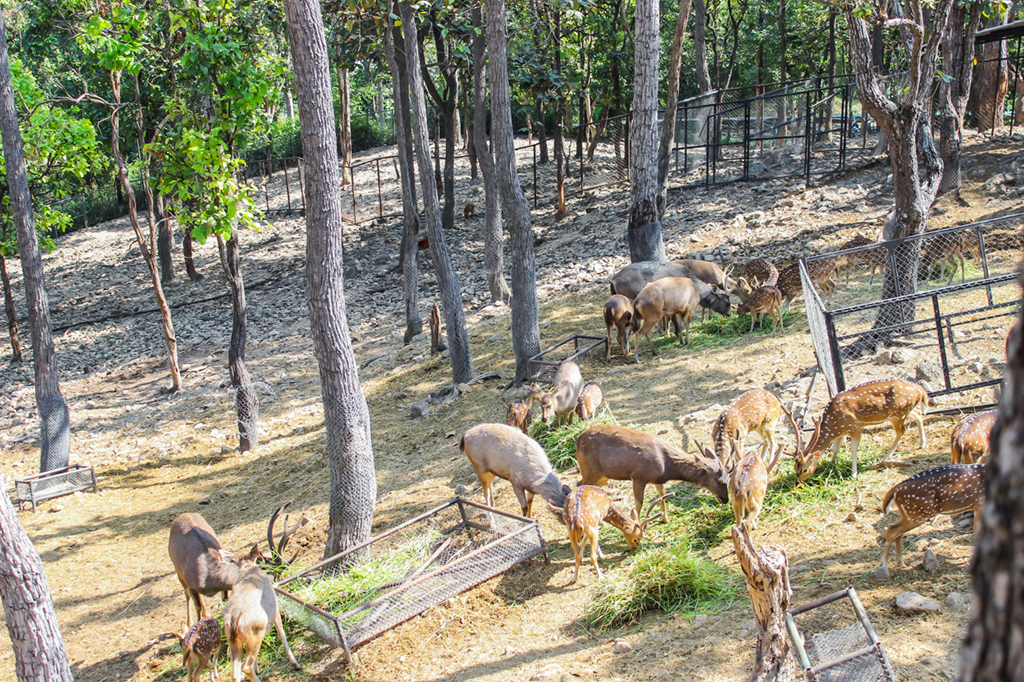
- Land rehabilitation: Seedlings and tubestock are easy targets. Rabbits, goats or deer can undo a revegetation program quickly if the plants aren’t protected.
- Agricultural and land management projects: Feral pigs, goats and rabbits can damage crops, grazing country, soil and native habitat.
None of this means every project automatically needs a standalone plan. Review the approval conditions, environmental management documents and site-specific risks that apply to your project, and work out what is actually necessary from there.
2. What Should a Feral Animal Management Plan Include?
The contents should reflect the project and the animals likely to be on the site. A useful plan links each identified risk to a practical action, a named person responsible and a way of reviewing the results.
Depending on the project, key components may include:
- Site conditions and risk assessment: Record site features, nearby habitat, current land use and any known or suspected feral animal activity. Existing environmental assessments and survey data are a sensible place to start the baseline.
- Target species: Name the animals that matter at this site. A plan that treats foxes, pigs and rabbits the same way will miss how differently they behave and what damage they do.
- Management measures: Set out the prevention, control and monitoring actions that fit the site, weighing animal welfare, environmental impacts, site access and the requirements that apply.
- Roles and responsibilities: State who carries out each measure, who records observations and who gets the report when something unexpected turns up.
- Monitoring and reporting: Decide how the team will tell whether controls are working, how activities will be documented and what happens when conditions change.
- Review procedures: Set review points, for example after major site changes, new sightings or updated project requirements.
A good plan is one site personnel can follow without a long briefing, and detailed enough to stand up in environmental reporting.
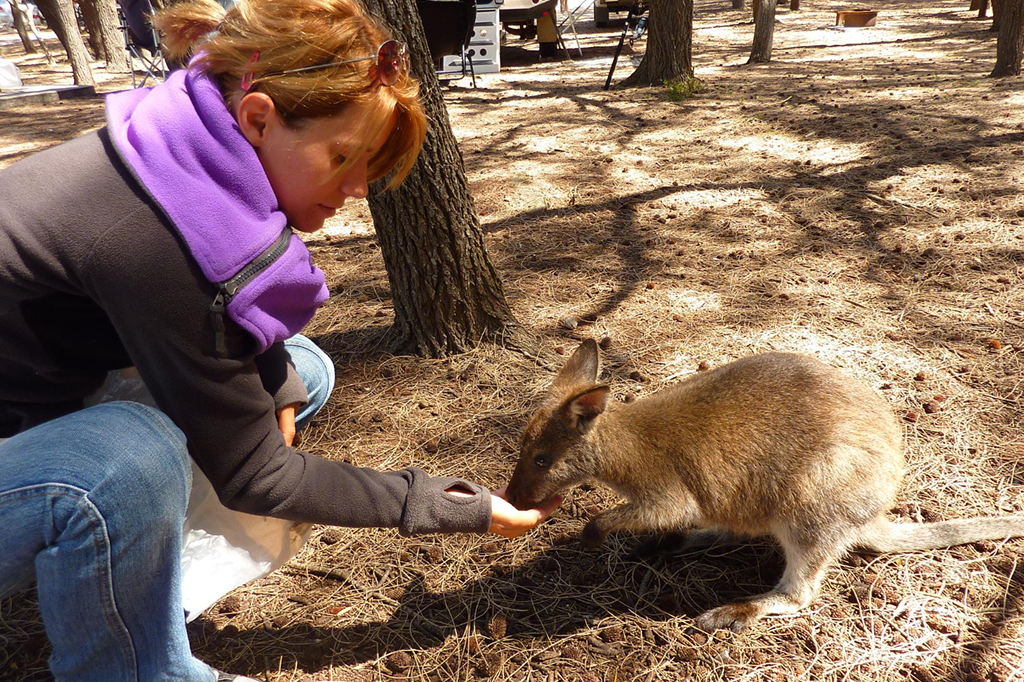
3. How Can Feral Animals Affect Site Works and Rehabilitation?
The trouble with feral animals goes well beyond their presence on site. Depending on the species and local conditions, they may damage vegetation, disturb soil, prey on native wildlife or get in the way of rehabilitation work.
Grazing and browsing animals can strip newly planted vegetation, while digging disturbs soil and planted areas. Predators add pressure on native fauna. How severe these impacts get varies from site to site, so build the plan around what is actually happening on the ground and not around assumptions about a species.
This is where invasive species management fits into the wider environmental planning. Feral animal controls often have to work alongside weed management, vegetation protection, fauna management and rehabilitation measures, and the plans should not contradict each other.
Think about site access, waste handling, food storage and ongoing maintenance too, because all of them influence animal activity. Tidier site practices help a broader strategy, but they don’t replace species-specific measures where those are needed.
4. When Should Project Teams Prepare the Plan?
Start planning early enough for environmental risks and approval requirements to shape site decisions. Once work is underway, it is harder to respond to identified risks or coordinate controls with other project activities.
A practical sequence looks like this:
- Review project requirements: Start with the approvals, conditions, environmental management plans and contracts.
- Assess the site: Go through the environmental information you already hold and note where more assessment is needed.
- Identify potential risks: Match likely feral species to sensitive areas and planned activities, then think through what impacts follow.
- Select appropriate controls: Pick actions that suit the site’s conditions and meet the requirements that apply.
- Assign responsibilities: Confirm who will carry out, document and review each measure.
- Set up monitoring: Decide how observations, control activities and changes on site will be recorded.
Keep reviewing the plan as the project moves along. A change to the work area, fresh evidence of animal activity or revised approval conditions may mean the original approach needs updating.
5. Who Can Help With Feral Animal Management Planning?
Teams often need outside environmental expertise when they lack site information, aren’t sure how to assess species-related risks or have to fit feral animal controls in with other environmental obligations.
Providers of feral animal management support may assist with site assessments, management recommendations, implementation planning and monitoring, depending on their service scope and qualifications. Having them involved links the risks found during planning to the work that happens on site.
Before engaging a provider, clarify:
- Which species and environmental risks need to be assessed.
- Whether site inspections or additional surveys are required.
- What management activities and reporting are included.
- Who is responsible for implementation and ongoing monitoring.
- Whether the proposed approach matches the applicable approvals and project requirements.
Coordinating feral management with flora, fauna and rehabilitation planning closes the gaps that tend to appear when each area is managed separately.
Conclusion
A feral animal management plan helps project teams deal with species-related risks before they hit construction, land management or rehabilitation work. Whether a standalone plan is required depends on site conditions, project activities and the approval or contractual requirements that apply.
Looking at these factors early gives teams time to identify risks, choose suitable controls and put names against responsibilities. With the right feral animal management services, a project can take a more structured approach to environmental risk while keeping the plan specific to the site.
FAQs
Is a Feral Animal Management Plan Legally Required for Every Project?
No. Whether a standalone plan is needed depends on the applicable legislation, approval conditions, contractual obligations and site-specific risks. Some projects cover feral animals inside a broader environmental management plan. Review your own requirements, and get qualified advice if the obligations aren’t clear.
Which Feral Animals Should a Project Plan Address?
It depends on the location, habitat, surrounding land use and known animal activity. A site assessment shows which species pose a credible risk and whether specific controls are warranted. Avoid generic measures that don’t reflect the actual conditions on the ground.
Can Feral Animal Management Be Included in a Broader Environmental Management Plan?
Yes, where the project’s requirements and management framework allow it. Feral animal controls can be documented alongside vegetation protection, fauna management, weed control and rehabilitation measures. The document should still spell out responsibilities, control methods, monitoring and reporting.
When Should a Feral Animal Management Plan Be Reviewed?
Review it when site conditions change, new animal activity is identified, control measures aren’t working or project requirements are updated. Longer projects may also need scheduled reviews. Follow the relevant approval conditions and the project’s environmental management procedures when setting the process.



Delivering Sustainable Environmental Solutions for Lasting Impact